
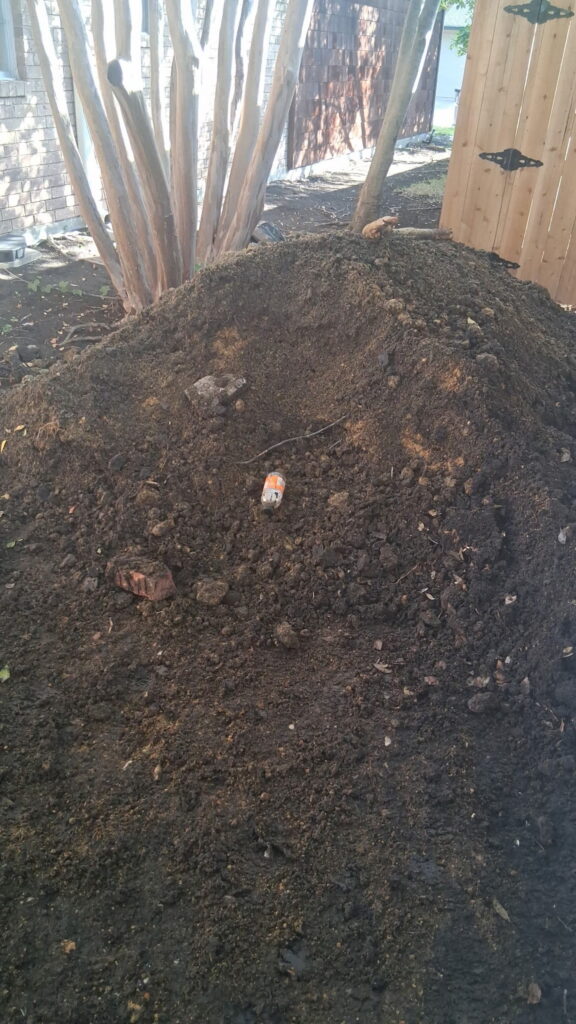
Expansive clay across North Texas swells when wet and shrinks when dry. That seasonal movement flexes slabs and stresses buried copper — and a long-running slab leak can soak the soil and add even more movement under the house.
DFW sits on expansive clay. After a dry stretch the soil pulls away from foundations; after heavy rain it swells and presses upward. That cycle is normal here, and it is one reason under-slab plumbing sees more stress than in sandy or rocky regions. This article goes deeper on the soil-and-foundation angle than our overview of slab leak causes in DFW.
How clay stresses pipe under a slab
Copper supply lines are bedded in or just below the slab. When the slab flexes, those lines flex with it. Repeated bending work-hardens copper and eventually opens pinholes or cracks — especially on thinner Type M tube. Compare materials in Type L vs Type M copper and PEX vs copper for slab homes.
How a leak feeds more movement
A slab leak does not only waste water. It keeps a pocket of soil under the foundation wet. That localized swelling can lift one area of the slab relative to another, opening finish cracks and putting still more bend into nearby lines. In other words, an unrepaired leak and clay soil can reinforce each other. That is why early detection — warm floors, meter movement, unexplained usage — matters. See signs of a slab leak.
Neighborhood patterns we see
Older copper in Plano, Richardson, Garland, and parts of Dallas often shows age-related failures accelerated by clay movement. Newer suburban slabs in Frisco, McKinney, and Rockwall still see leaks, especially where irrigation, drainage, or remodel plumbing changed how water sits against the foundation. City service pages for Plano slab leak repair, Frisco, McKinney, and Rockwall cover local service details.
What homeowners can do
- Maintain even moisture around the foundation — not swamp wet, not bone dry.
- Fix irrigation that sprays the slab edge all night.
- Watch the meter periodically with fixtures off.
- Do not ignore warm spots on floors or the sound of running water.
- If a leak is confirmed, choose a repair path that fits the house — tunneling vs break-out — and ask whether one leak is a symptom of a wider copper problem.
Staggs Plumbing is registered as a plumbing contractor in every city we serve. You get upfront written pricing before work starts. Call (682) 284-0966 if clay-country movement and a spinning meter have you concerned.
Frequently asked questions
Does clay soil alone cause slab leaks?
Clay movement is a major stress factor, especially on aging copper, but leaks also come from corrosion, poor bedding, remodel tie-ins, and normal wear.
If my foundation is moving, is the plumbing next?
Not always — but foundation movement and under-slab plumbing problems often show up in the same homes. A plumbing check is wise when cracks and moisture appear together.
Can fixing the leak help the foundation?
Stopping the water removes a source of uneven soil moisture. Foundation repairs, if needed, are a separate trade; we focus on the plumbing diagnosis and repair.
Is PEX less affected by clay movement?
PEX is more flexible than copper, which is one reason it appears in reroutes and some remodel work. See our PEX vs copper guide for tradeoffs.