
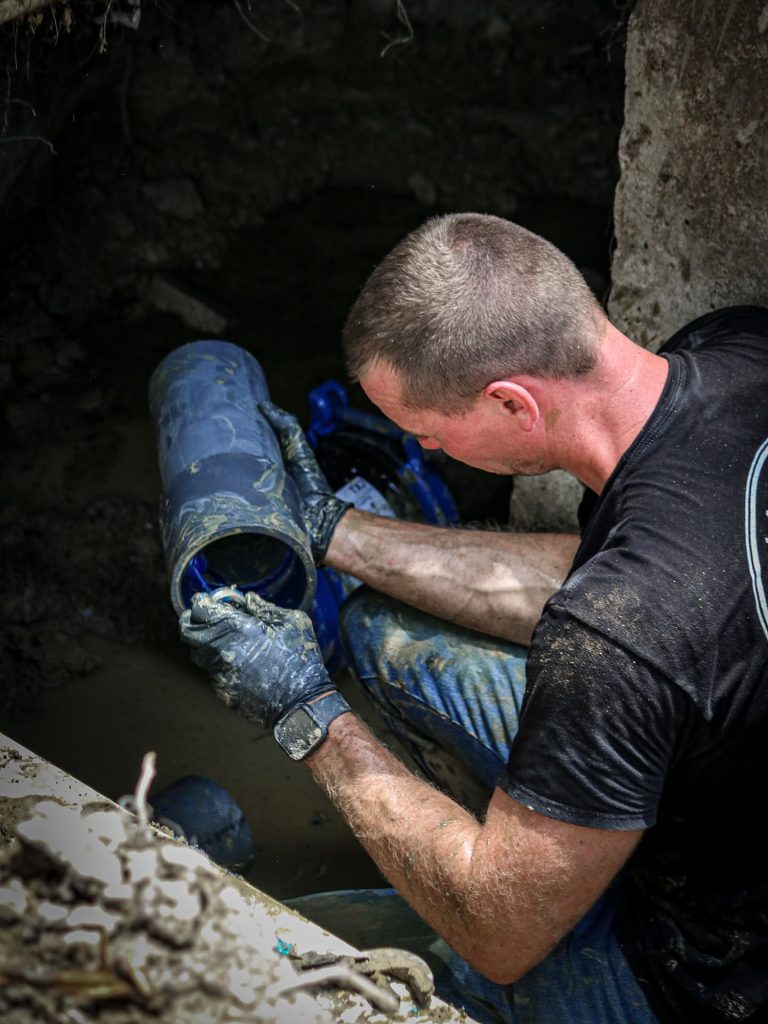
Yes, plumbers can detect leaks behind walls without tearing them open. Licensed plumbers use specialized detection equipment to pinpoint hidden leaks through drywall, behind tile, and under flooring. This guide from Staggs Plumbing explains how the technology works and when you should call for professional leak detection.
How Plumbers Find Hidden Leaks
Professional leak detection relies on technology that can “see” or “hear” water where your eyes can’t. Staggs Plumbing uses multiple detection methods depending on the suspected leak location and pipe type.
| Detection Method | How It Works | Best For |
|---|---|---|
| Acoustic Listening | Amplifies sound of water escaping pipes | Pressurized water lines, slab leaks |
| Thermal Imaging | Detects temperature differences from moisture | Wall and ceiling leaks, hot water lines |
| Electronic Correlation | Triangulates leak location via sensors | Long pipe runs, yard lines |
| Moisture Mapping | Measures moisture levels in materials | Tracking leak migration paths |
| Video Camera Inspection | Views inside drain and sewer pipes | Drain leaks, pipe damage, root intrusion |
In North Texas, slab leaks are common due to expansive clay soil shifting beneath foundations. This soil movement stresses copper water lines, causing pinhole leaks that can run for months before visible signs appear. Professional detection often catches these leaks before they cause foundation damage.
What to Expect During Detection
A leak detection appointment typically takes 1-2 hours. Here is the process:
- Pressure test confirms whether the supply system is losing water.
- Technician isolates zones to narrow the leak location.
- Detection equipment pinpoints the exact leak site.
- You receive a written report with location, photos, and repair options.
Detection is non-invasive. The goal is to avoid exploratory demolition by finding the leak before opening any walls or floors.
When to Call for Leak Detection
Staggs Plumbing offers same-day leak detection appointments for active or suspected hidden leaks. Our technicians carry acoustic, thermal, and electronic detection equipment on every service truck.
For homeowners in Plano and the DFW area, waiting too long can turn a simple repair into a major remediation project. If you suspect a leak behind your walls, getting professional detection now typically saves significant repair costs later.
Call [business_phone_ahref_link] to schedule detection. As a Texas-licensed plumber (License #17697) with 35+ years serving DFW, Staggs Plumbing provides written detection reports and multiple repair options so you can make an informed decision.
Frequently Asked Questions
How accurate is professional leak detection?
How accurate is professional leak detection?
Professional detection equipment can pinpoint leaks within inches in most cases. Accuracy depends on pipe material, leak size, and access to the plumbing system. A licensed plumber using multiple detection methods typically locates the leak on the first visit.
Will detection damage my walls?
Will detection damage my walls?
No. Leak detection is non-invasive and does not require opening walls. The equipment works through drywall, tile, and flooring. Only the repair itself requires access to the pipe, and the detection narrows this to the smallest possible area.
Is leak detection worth the cost before calling for repair?
Is leak detection worth the cost before calling for repair?
Yes. Detection typically prevents unnecessary demolition by locating the exact leak point. Without detection, plumbers may need to open multiple areas to find the problem. Most detection fees are applied toward the repair if you hire the same company.
Suspect a hidden leak? Staggs Plumbing uses advanced non-invasive tools to locate leaks behind walls, under slabs, and in ceilings—accurately and without unnecessary damage.
Call [business_phone_ahref_link] for same-day leak detection in Plano and the DFW area.