
Water Testing Service in Plano & DFW

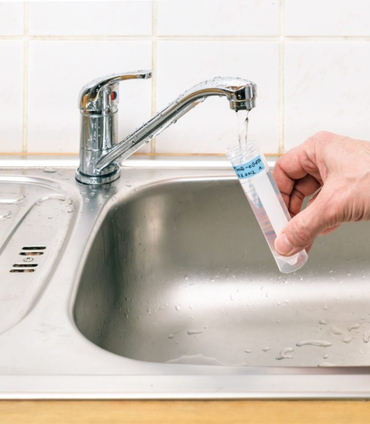
DFW tap water is moderately hard — not the hardest in Texas, but enough to build scale on fixtures, water heaters, and appliances over time. We test your water and tell you exactly what's in it.

What We Test For

Hardness (calcium and magnesium — DFW water is moderately hard, typically 100–200 mg/L depending on your municipality). pH and acidity. Chlorine and chloramine levels. Total dissolved solids. Bacteria and coliform (for well water). Iron and sediment. We use certified test kits and can refer samples to a certified lab for more detailed analysis if needed.

Why Water Quality Matters for Your Plumbing

Hard water deposits calcium scale inside water heaters, reducing efficiency and shortening lifespan. It builds up in aerators, shower heads, and dishwasher nozzles. Highly acidic water accelerates corrosion in copper pipes, contributing to pinhole leaks. Knowing your water chemistry helps you make informed decisions about water softeners, filtration, and heater maintenance.

Honest Recommendations

We test first, then recommend. If your water doesn’t need a softener or filter, we’ll tell you that. If it does, we’ll explain what type addresses your specific results. Written findings, no pressure.

Everything We Offer

  • Water hardness testing
  • pH and acidity testing
  • Chlorine and chloramine levels
  • Total dissolved solids (TDS)
  • Iron and sediment testing
  • Bacteria and coliform (well water)
  • Written test results and explanation
  • Water softener and filter consultation

Water Testing Service in Plano & DFW — Common Questions

Straight answers before you call.

Is DFW water hard?

DFW tap water is moderately hard — typically in the 100–200 mg/L range depending on your city and which water source it draws from. That's enough to cause noticeable scale on fixtures and shorten water heater life, but it's not extreme.

Do I need a water softener?

It depends on your specific water hardness and what problems you're experiencing. We test first and recommend based on results. Some homes benefit significantly from softening; others are fine without it. We won't push one if you don't need it.

How do I know if my water is causing my plumbing to corrode?

Signs include pinhole leaks in copper pipe, blue-green staining around drains and fixtures (copper corrosion), and frequent fixture failures. Acidic water (pH below 7) accelerates this. A water test will tell you if your pH is the culprit.

Should I test my water if I'm on city supply?

City water is treated and tested by the utility. However, the water chemistry can change between the treatment plant and your tap, and pipes inside your home affect it further. Testing at the tap gives you the most accurate picture of what you're actually using.

How do I interpret the water test results?

We walk you through the results in plain language. We explain what each number means for your fixtures, appliances, and daily use — without the upsell pressure. Written report is yours to keep.