



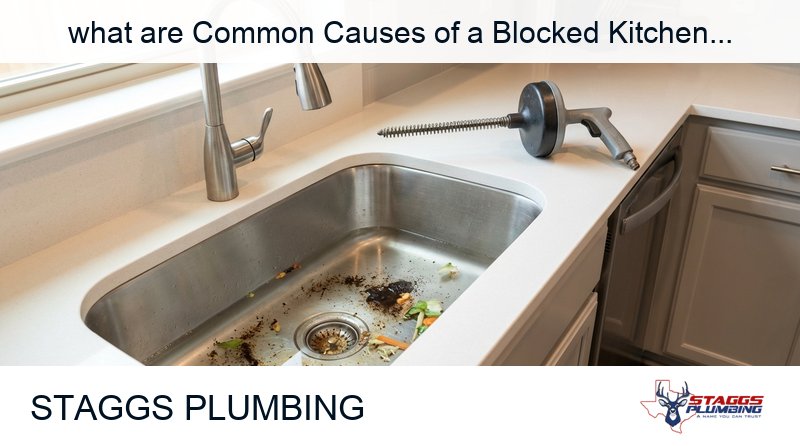
Common Causes of a Blocked Kitchen Sink Drain in Plano, TX
A blocked kitchen sink disrupts everything from morning coffee prep to after-dinner cleanup. If you’re dealing with standing water or slow drainage, you’re likely facing one of a handful of common causes: grease buildup, food particle accumulation, soap scum, foreign objects, P-trap issues, or deeper pipe problems.
The most frequent culprit is grease and fat. These substances coat your pipes over time, narrowing the passage until water can’t flow freely. Food particles rank second, especially in homes with garbage disposals where homeowners assume everything gets pulverized. Many blockages are fixable with basic tools and 30 minutes of effort. However, some indicate more serious plumbing concerns that require professional attention.
How do you know if your blockage is serious? Slow drainage in just the kitchen sink usually points to a localized clog you can address yourself. But if multiple drains in your home are backing up, you’re likely dealing with a main line issue. Left unaddressed, even minor blockages can cause pipe corrosion, unpleasant odors, and in worst cases, sewage backup into your home.
This guide walks through each common cause, helps you identify which one applies to your situation, and clarifies when a DIY fix works versus when to call for backup.
Quick Overview: What Blocks Kitchen Sink Drains
| Cause | How Common | DIY Fixable? |
|---|---|---|
| Grease and fat buildup | Very common | Usually yes |
| Food particles | Very common | Usually yes |
| Soap scum and mineral deposits | Common | Sometimes |
| Foreign objects | Occasional | Depends on object |
| P-trap problems | Occasional | Yes with basic tools |
| Damaged or corroded pipes | Less common | No |
| Main sewer line blockage | Rare | No |
Most kitchen sink blockages fall into the first 3 categories and respond well to home remedies. The last 2 require a licensed plumber with proper diagnostic equipment.
Grease and Fat Buildup
Grease is the number-one cause of blocked kitchen drains. When you rinse cooking oil, bacon fat, or butter down the drain, it’s liquid and flows easily. But as it travels through your pipes and cools, it solidifies. Over months and years, this creates a sticky coating that catches other debris and gradually narrows your drain.
Signs grease is your problem:
- Slow drainage that’s gotten progressively worse
- Drain was fine, then suddenly blocked after cooking a greasy meal
- Hot water temporarily improves flow
What to do:
Pour a pot of boiling water down the drain to soften grease buildup. Follow with a mixture of 1/2 cup baking soda and 1/2 cup white vinegar. Let it fizz for 15 minutes, then flush with more boiling water. For stubborn buildup, repeat daily for a week.
Prevention: Never pour cooking oil or grease down the drain. Wipe greasy pans with a paper towel before washing.
Food Particles and Debris
Even with a garbage disposal, food particles cause blockages. Disposals grind food but don’t eliminate it. The particles still travel through your pipes and can accumulate at bends and joints.
Certain foods are especially problematic:
| Food Type | Why It’s a Problem |
|---|---|
| Coffee grounds | Don’t dissolve, clump together |
| Eggshells | Create granular buildup |
| Pasta and rice | Expand with water, swell in pipes |
| Fibrous vegetables (celery, corn husks) | Wrap around disposal blades, don’t break down |
| Potato peels | Form starchy paste |
Signs food debris is your problem:
- Blockage started shortly after disposing of problematic foods
- You can see food particles when you look down the drain
- Garbage disposal runs but water doesn’t drain
What to do:
If you have a disposal, run cold water and turn it on for 30 seconds to clear the chamber. For visible debris in the drain opening, remove it manually. For deeper clogs, use a plunger specifically designed for sinks (flat-bottomed, not flanged).
Soap Scum and Mineral Deposits
Plano’s water supply contains elevated mineral levels, making this cause particularly relevant for local homeowners. Over time, minerals in hard water combine with soap residue to form a concrete-like scale inside your pipes.
Signs mineral buildup is your problem:
- White, chalky residue visible around the drain opening
- Slow drainage that’s been building over years, not weeks
- Other fixtures in your home show hard water staining
What to do:
Enzymatic drain cleaners break down organic buildup without damaging pipes. For mineral scale, you may need a plumber with specialized descaling equipment. Installing a water softener prevents future buildup throughout your home.
Foreign Objects Blocking the Drain
Small items accidentally fall into kitchen sinks constantly: bottle caps, twist ties, produce stickers, small utensils, and jewelry. If your drain lacks a proper strainer, these objects drop into the P-trap and create immediate blockages.
Signs a foreign object is your problem:
- Sudden, complete blockage (not gradual slowing)
- You heard something fall down the drain
- Plunging doesn’t help at all
What to do:
Place a bucket under the P-trap (the curved pipe section under your sink). Unscrew the slip nuts by hand or with pliers, remove the trap, and retrieve the object. Reassemble and test. This takes 10 minutes and requires no special tools.
P-Trap Problems
The P-trap serves 2 functions: it holds water to block sewer gases and catches debris before it enters your main drain line. Problems occur when the trap itself is clogged, improperly installed, or damaged.
Signs of P-trap issues:
- Sewer smell coming from the drain (water seal may be compromised)
- Visible corrosion or leaking under the sink
- Drain clogs repeatedly in the same spot
What to do:
Remove and clean the P-trap as described above. Inspect for cracks, corrosion, or improper pitch. PVC P-traps are inexpensive (under $15) and easy to replace yourself. Chrome or metal traps require more care during removal but follow the same process.
Deeper Pipe Issues: When the Problem Isn’t at the Sink
Sometimes a kitchen sink blockage indicates a problem further down your plumbing system. Older homes in Plano, particularly those built before the 1980s, may have cast iron or galvanized pipes that corrode from the inside.
Warning signs of deeper problems:
- Multiple drains in your home are slow or backing up
- Gurgling sounds from other fixtures when you run the kitchen sink
- Water backs up into the sink when you run the dishwasher
- Recurring blockages despite clearing the P-trap
What causes these issues:
- Tree root intrusion into sewer lines
- Collapsed or offset pipe sections
- Accumulated buildup throughout the drainage system
- Main sewer line blockages
These problems require professional diagnosis. A drain camera inspection reveals exactly where and what the problem is, eliminating guesswork and unnecessary excavation.
DIY Fixes vs When to Call a Licensed Plumber
| Try DIY When… | Call a Professional When… |
|---|---|
| Only the kitchen sink is affected | Multiple drains are slow or backing up |
| Blockage started recently | Problem keeps returning despite clearing |
| Plunger or P-trap cleaning helps | DIY methods provide no improvement |
| No sewer odors present | You smell sewage from drains |
| No visible pipe damage | Pipes are corroded or leaking |
Effective DIY methods:
- Boiling water flush (grease-based clogs)
- Baking soda and vinegar treatment
- Plunging with a flat-bottomed sink plunger
- P-trap removal and cleaning
- Drain snake for clogs within 5 feet of the opening
When to skip straight to a pro:
If you’ve tried 2-3 DIY methods with no improvement, further attempts waste time and risk pipe damage. Staggs Plumbing technicians carry drain cameras and commercial-grade equipment that clears blockages inaccessible to home tools. For Plano homeowners, we typically resolve kitchen drain blockages in a single visit.
Preventing Future Kitchen Drain Blockages
Once you’ve cleared your current clog, these habits prevent the next one:
Daily practices:
- Run cold water for 15 seconds after using the disposal
- Scrape plates into the trash before rinsing
- Use a drain strainer to catch debris
Weekly maintenance:
- Pour boiling water down the drain once per week
- Run ice cubes through the garbage disposal to clean the blades
Monthly prevention:
- Apply an enzymatic drain cleaner monthly to break down buildup
- Check under the sink for leaks or corrosion
What to avoid:
- Chemical drain cleaners (they corrode pipes over time)
- Pouring any cooking oil or grease down the drain
- Overloading the garbage disposal
Frequently Asked Questions
Why does my kitchen sink clog even though I’m careful?
Why does my kitchen sink clog even though I’m careful?
Buildup happens gradually from sources you might not expect. Soap residue, tiny food particles that get past the strainer, and minerals in Plano’s hard water all contribute. Even “careful” use leads to eventual buildup. Monthly enzyme treatments and annual professional cleaning help.
Do chemical drain cleaners actually work?
Do chemical drain cleaners actually work?
They can clear minor clogs temporarily, but they cause long-term damage. The caustic chemicals corrode metal pipes and can weaken PVC joints. They also don’t work on grease-based clogs. Stick to enzymatic cleaners or mechanical methods.
How much does it cost to have a plumber clear a blocked drain?
How much does it cost to have a plumber clear a blocked drain?
Basic drain clearing typically runs $125-$250 in the Plano area. If camera inspection or extensive work is needed, costs can reach $300-$500. Getting a quote before work begins prevents surprises.
Can a blocked drain damage my home?
Can a blocked drain damage my home?
Yes. Prolonged blockages create pressure that can damage pipe joints, cause leaks behind walls, and in severe cases, result in sewage backup. A slow drain today can become water damage next month. Address blockages when you first notice them.
Are older homes more prone to drain problems?
Are older homes more prone to drain problems?
Older Plano homes often have galvanized or cast iron drain pipes that corrode internally over decades. This corrosion creates rough surfaces that catch debris more readily. If your home is 40+ years old and you experience frequent clogs, a camera inspection can reveal pipe condition.
Staggs Plumbing has served Plano and surrounding areas for over 20 years. Our licensed technicians carry drain cameras and commercial equipment to diagnose and resolve blockages other methods miss. Same-day service available for urgent drain issues. Call 972-833-8660 to schedule.
If you enjoyed this article, check out these other articles regarding Kitchen Plumbing:
Garbage Disposal Humming But Not Working: How to Fix It Fast
Garbage Disposal Humming But Not Working: How to Fix It Fast